

Wise’s US Trust Bank Bid Under the GENIUS Act: What to Know About the Compliance Challenges
On July 24, the Office of the Comptroller of the Currency (OCC) denied Wise’s application for a US national trust bank charter, citing unresolved compliance deficiencies. Wise shares fell sharply on the news.

The OCC focused on longstanding weaknesses in Wise’s anti-money laundering and countering the financing of terrorism (AML/CFT) program. The application did not explain convincingly how Wise would fix those problems or show that its existing controls could meet bank-level standards.
Only 11 days earlier, the OCC had given final approval to Circle’s application for the same type of charter. One applicant was approved; the other was not. What made the difference?
Wise has not dropped the plan. It says it will reapply under the payment stablecoin framework created by the Guiding and Establishing National Innovation for U.S. Stablecoins Act (GENIUS Act).
That raises a second question. Can a new stablecoin strategy improve Wise’s case, or will its existing compliance record continue to stand in the way?
Ⅰ. Where Wise's AML controls fell short
In June 2025, Wise filed an application with the OCC for a national trust bank charter for Wise National Trust. The proposed bank would handle multicurrency accounts, debit cards, payment processing and certain fiduciary services. Wise also planned to apply for a Federal Reserve master account after obtaining the charter, reducing its reliance on partner banks.
Less than a month after the filing, regulators from six US states announced a coordinated enforcement action against Wise US.
The findings went beyond an isolated lapse. Regulators identified problems with transaction monitoring data, manual investigations, regulatory reporting and remediation.

Transaction monitoring depends on complete and reliable customer, account and payment data. Regulators found data integrity issues in Wise’s monitoring system. Without reliable data, the system may not capture where funds came from, which parties handled them or where they ultimately went.
Alerts then have to be investigated to determine whether a Suspicious Activity Report (SAR) should be filed. Wise’s investigation and reporting processes were deficient, and some SARs were filed late.
Independent testing should confirm that monitoring, alert reviews and SAR filings work as intended. Wise did not conduct those reviews often enough, and it failed to address some findings from regulators and internal audit on time.
The result was a chain of weaknesses running from data collection and transaction monitoring through investigation, reporting and remediation.
Wise agreed to pay $4.2 million and hire an independent third party to validate its remediation. The penalty alone did not determine the charter application. The OCC needed to see that the underlying problems had been fixed and that Wise’s controls could support a bank.
Ⅱ. Why those failures mattered to the OCC
Wise’s proposed operating model made the enforcement findings especially damaging.
Wise National Trust did not plan to build a separate AML program from scratch. It would rely heavily on systems, staff and operational support from Wise US and other group companies.
Although the bank would be a new legal entity, much of its compliance infrastructure would come from the existing group. Unless Wise fixed the weaknesses in transaction data, alert investigations, SAR filing and remediation, the same problems could carry over to the new bank.
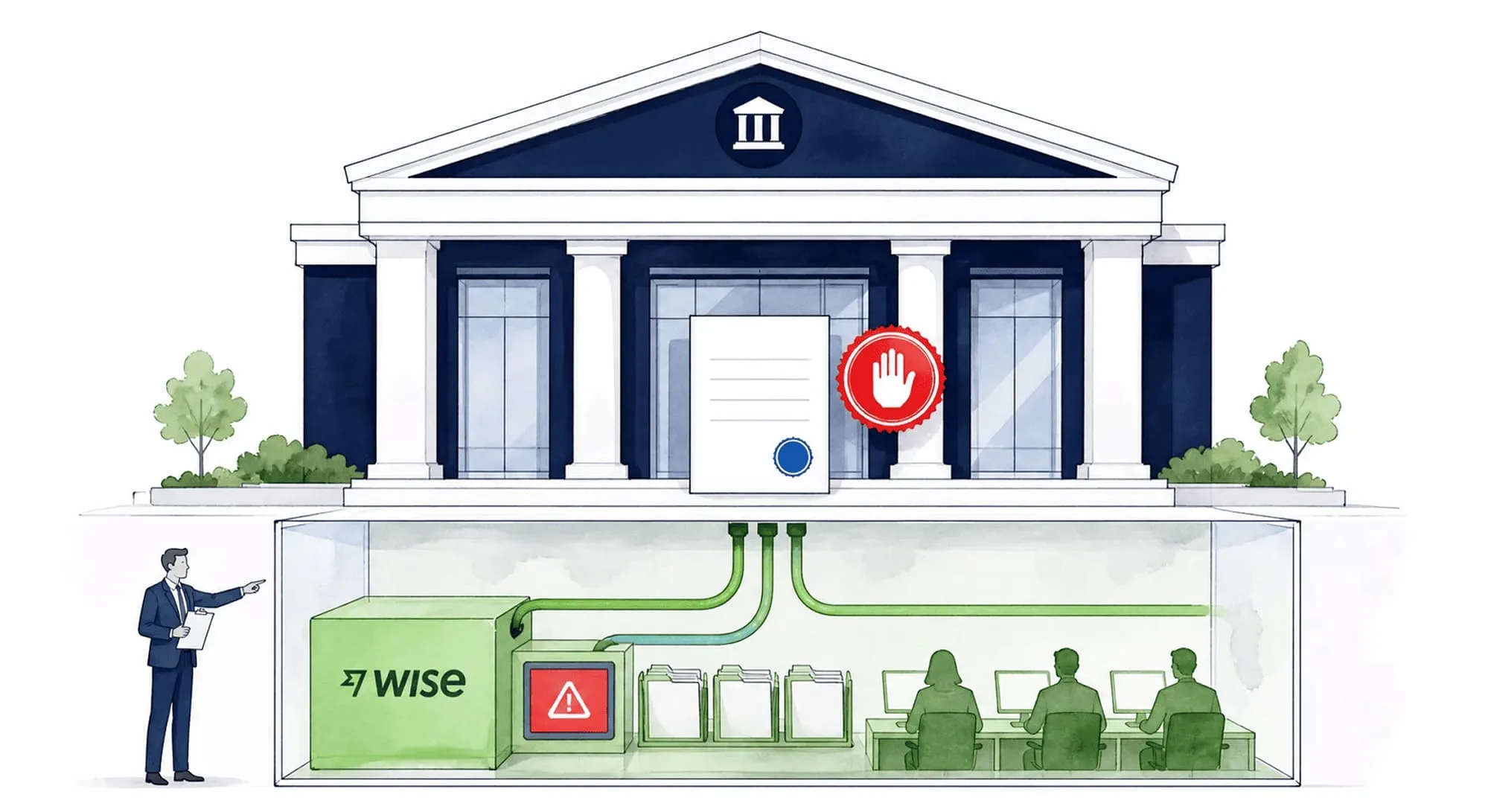
The proposed business also carried significant risk. The bank would offer multicurrency accounts and debit cards while processing payments for US customers, domestic and overseas affiliates, and other financial institutions. More customers and more complex payment flows would place heavier demands on the AML program.
A national trust bank must meet federal AML/CFT requirements that are more demanding than those imposed on a typical money services business. The OCC found that Wise had neither dealt adequately with the weaknesses in its existing program nor shown that it was ready to meet bank-level requirements.
The proposed management team was another concern. According to the OCC, the prospective directors and executives did not demonstrate enough experience in US banking regulation, AML compliance or fiduciary services. Wise understands cross-border payments, but that experience alone is not enough to operate a national trust bank.
Wise’s original business plan also depended heavily on obtaining a Federal Reserve master account. Later changes to the Federal Reserve’s access policy made that route less certain.
Ⅲ. Circle built around the GENIUS Act from the start
Circle applied for the same category of OCC charter, but its proposed bank was tied to the GENIUS Act from the outset.
When Circle filed its application on June 30, 2025, the legislation was still before Congress. Circle said the bank would manage USDC reserves, provide digital asset custody and help the company meet the expected requirements of the GENIUS Act.
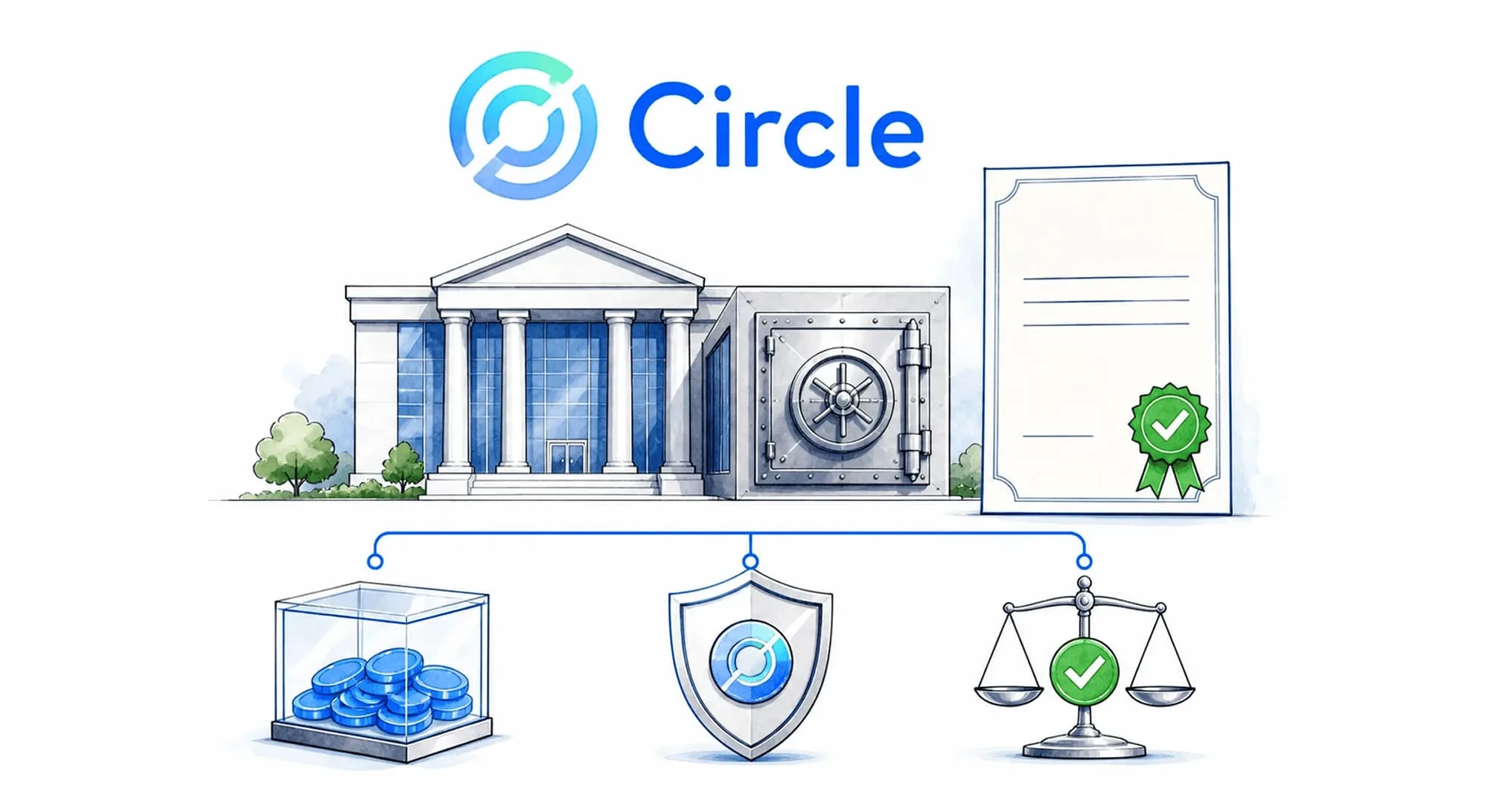
The GENIUS Act did not create Circle’s national trust bank charter. The OCC issued the charter under the National Bank Act. Circle designed the bank’s activities, however, around the GENIUS Act’s rules for stablecoin issuance, reserve management and federal supervision.
The OCC granted conditional approval in December 2025. It required Circle’s collateral trust structure and other activities to comply with the GENIUS Act and its implementing rules. Circle received final approval in July 2026 after meeting the OCC’s pre-opening requirements for capital, staffing, governance, systems and operations.
Legally, Circle holds an OCC national trust bank charter. In practice, the bank is set up to support Circle’s compliance under the GENIUS Act.
Circle has also obtained a New York limited purpose trust company charter through a separate state process. The national trust bank covers federally supervised custody, collateral trust services and future management of USDC reserves. The New York entity handles functions related to stablecoin issuance. Together, the two entities make up Circle’s regulatory structure for the GENIUS Act.
IV. What a stablecoin strategy could change for Wise
Wise’s first application focused on traditional cross-border payments and assumed that the bank would eventually gain access to a Federal Reserve master account. Changes to the Fed’s access policy weakened the business case for that structure.
Wise cannot simply repackage the same application under the GENIUS Act. A revised plan would need to define the role it expects to play as stablecoins enter established payment networks.
Wise has pointed to three capabilities: connecting payment systems, managing cross-border liquidity and controlling risk in a regulated environment. In a stablecoin business, those capabilities could support conversion between stablecoins and bank accounts, cross-border settlement, treasury management, and links between conventional payment rails and on-chain dollars.
Wise has not announced plans to issue a stablecoin. Its more likely role would be to connect its existing cross-border payment network to stablecoin infrastructure. That gives the company a possible basis for a new national trust bank application under the GENIUS Act.
Circle offers a precedent, but only to a point. Its national trust bank places digital asset custody, collateral trust services and future management of USDC reserves under OCC supervision. Wise could also use a trust bank to bring payment and treasury functions into a federal regulatory framework, even though its business model is different.
Circle’s approval shows that such a structure can work. It does not show that Wise is ready for approval.
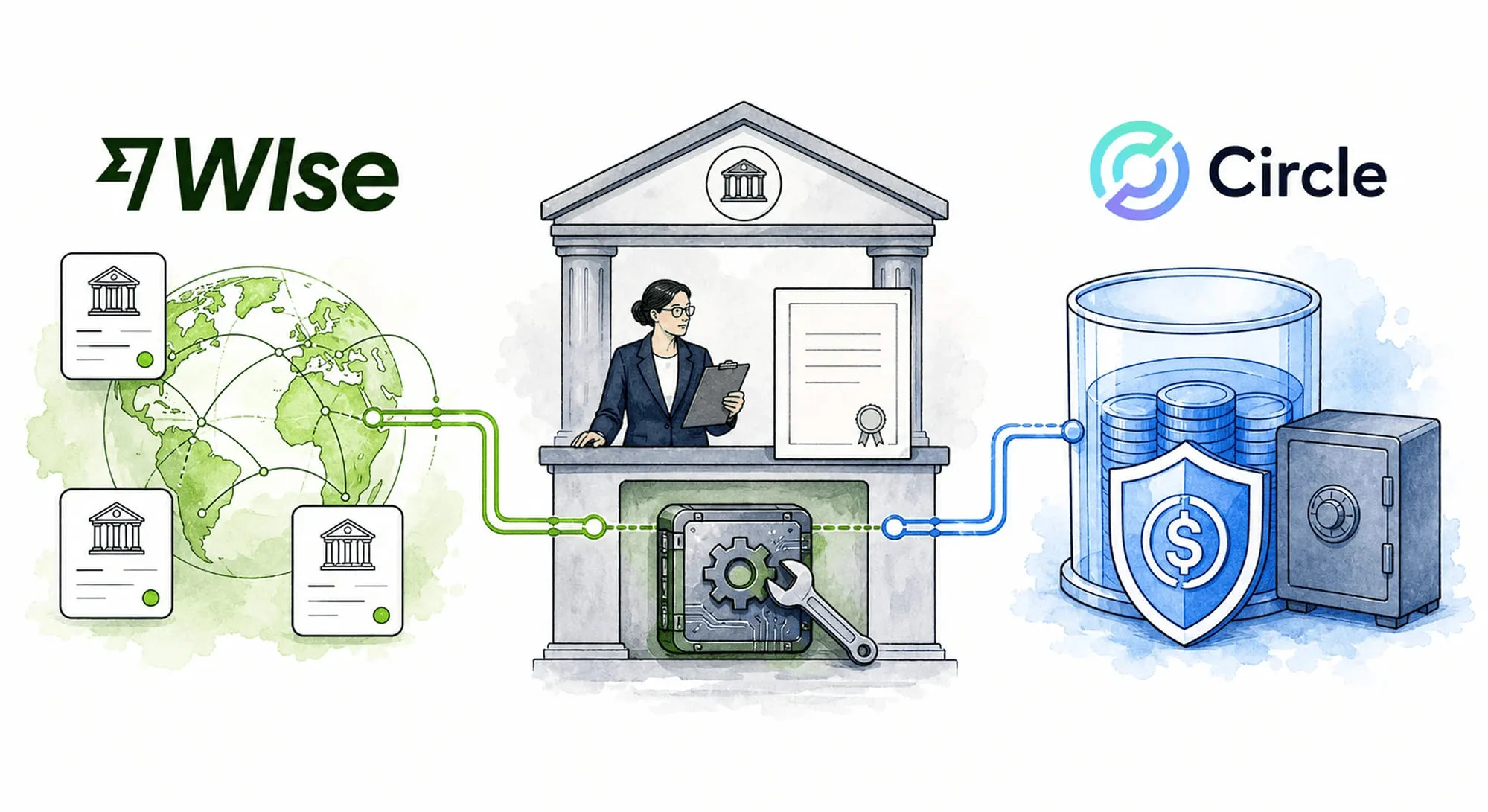
Wise still has to fix the AML/CFT deficiencies identified by the OCC, strengthen its proposed management team and address the new bank’s reliance on existing compliance systems. A business model that fits the GENIUS Act will not change the OCC’s view unless those problems are resolved.
The GENIUS Act may also create opportunities beyond stablecoin issuance. Cross-border payment companies, custodians and banks could provide reserve management, custody, conversion or settlement services. A national trust bank is one regulated structure for offering some of those services.
For companies considering such an institution as a partner, the charter name is not enough. A national trust bank is not a conventional commercial bank. Depending on its approved activities, it may provide only custody and fiduciary services. It may not offer customer accounts, fiat on-ramps and off-ramps, or access to a Federal Reserve master account. The institution’s approved activities and permitted customer base matter more than the label on its charter.
Wise’s next application will turn on whether it can show that the earlier compliance failures have been fixed and that the proposed bank can safely connect traditional payment infrastructure with stablecoin rails.
Whether you are evaluating a partner like this or planning your own cross-border licensing strategy, the business scope still needs to fit the regulatory requirements. If you are weighing similar questions, feel free to reach out to CryptoLicense, and we can talk through the available options together.