
The Web3 Shutdown Wave: Why Licensing and Compliance Are Becoming a Matter of Survival
Last month, BitMEX announced that it would shut down permanently on September 23.
Around the same time, crypto data platform CryptoRank reported that at least 17 major crypto projects had shut down or entered bankruptcy since the start of 2026. Together, those projects had disclosed more than $8.9 billion in funding.
Taken together, the figures suggest that the industry is going through a broad market shakeout, one more extensive than many may realize.
BitMEX helps explain what this wave of closures is actually removing from the market, and why Web3 businesses can no longer afford to treat licensing and substantive compliance as optional.
How did BitMEX go from perpetual swap pioneer to shutdown?
The product reshaped crypto trading. Binance, Bybit, OKX, Hyperliquid and nearly every other major platform later adopted it, and perpetual swaps are now the most heavily traded instruments in the crypto derivatives market.
BitMEX reached its peak in 2019. Annual trading volume exceeded $1 trillion, daily volume peaked at $16 billion, and the platform accounted for 57% of the global crypto derivatives market.
The turning point came in 2020, and it was a compliance failure.
The US Department of Justice and the Commodity Futures Trading Commission brought parallel actions against the three co-founders. A central allegation was that BitMEX knew it was serving large numbers of US customers but had long refused to establish an anti-money laundering (AML) or know-your-customer (KYC) program, in violation of the Bank Secrecy Act.
The founders resigned and later pleaded guilty. The BitMEX entity also reached a settlement with the Financial Crimes Enforcement Network (FinCEN) and paid an additional $100 million penalty.
Once KYC became mandatory, many users who had joined BitMEX for anonymous, unrestricted access moved to competitors such as Binance and Bybit. The compliance overhaul did not bring in enough new business to replace them. Market share kept falling, CEO Stephan Lutz and CFO Ina Steiner both left, and no buyer stepped in.
By the time BitMEX announced the shutdown, daily trading volume had fallen to about $400,000, less than 0.01% of the global crypto derivatives market.
The product BitMEX created is still used across the industry. BitMEX itself will no longer be part of that market.
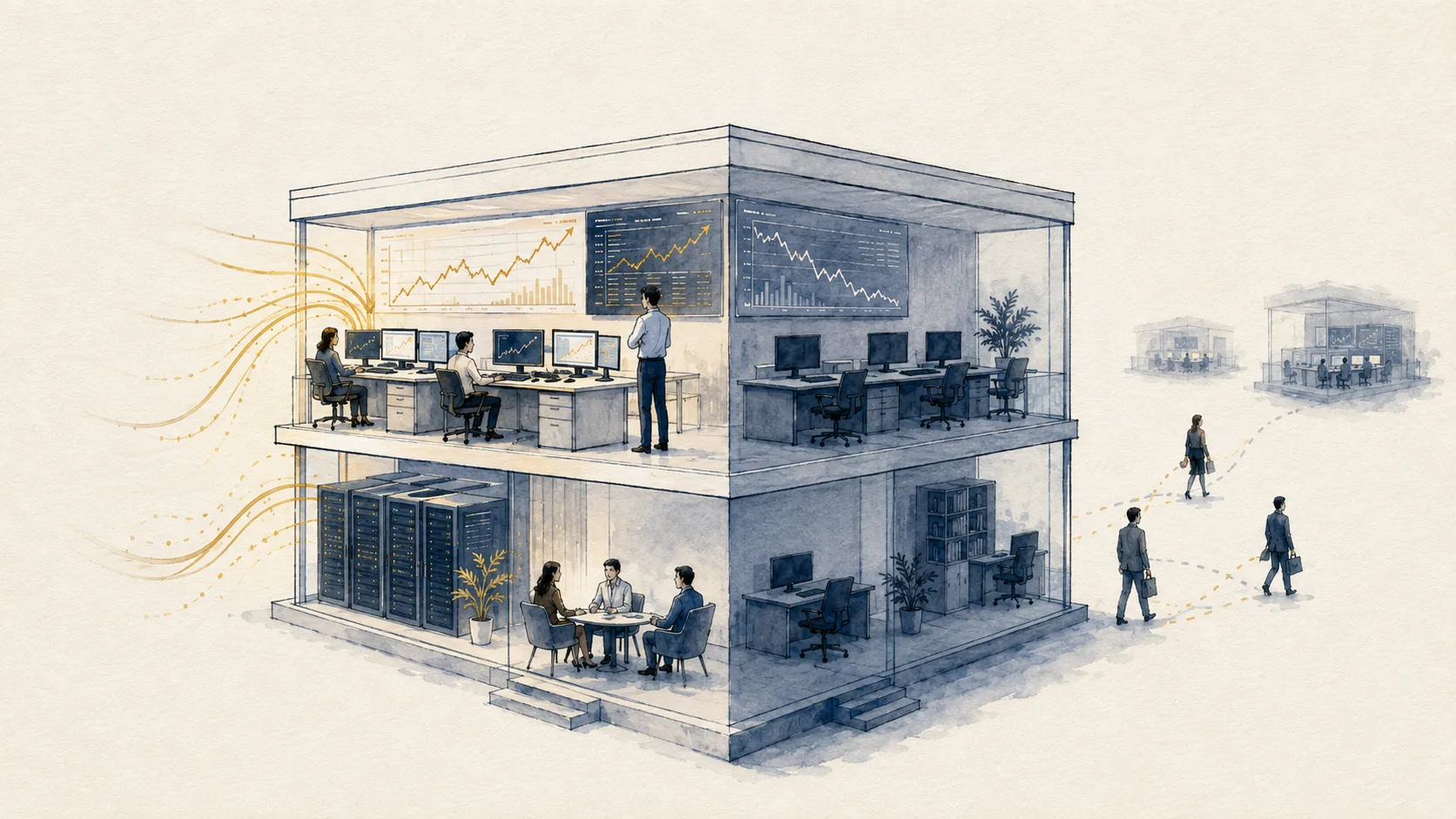
What does BitMEX tell us about the wider Web3 shutdown wave?
On the same day that BitMEX announced its closure, CryptoRank published another striking figure:
Since the start of 2026, at least 17 major crypto projects have shut down or entered bankruptcy, representing more than $8.9 billion in disclosed funding.
That figure only covers projects classified as major by CryptoRank. Broader datasets show an even faster rate of closures.
- RootData recorded 62 projects as inactive between March and May 2026, an average of roughly one per day.
- Crypto World Headline used a wider methodology and counted more than 70 closures in the first half of the year, spanning Web3 gaming, NFTs, DeFi, Layer 2 networks and infrastructure.
The projects did not all fail for the same reason. They fall into four broad groups.
1. Projects that lost their market: Loopring DEX
Loopring was an early pioneer of ZK-rollups on Ethereum and once featured prominently in the Ethereum scaling narrative. Its technology was not necessarily the problem. The market moved on. As Arbitrum, Optimism and zkSync reached scale, Loopring gradually lost users and developers. When the sector consolidated, it ended up on the losing side.
2. Well-funded projects that still failed: Nifty Gateway, Bitcoin Depot and ZeroLend
Nifty Gateway, an NFT marketplace backed by Gemini, closed on February 23, 2026 and retained only its withdrawal function. Its value depended heavily on the curation and brand provided by a centralized operator. Once the platform closed, users lost a major venue for displaying and trading their digital assets. The downturn exposed how dependent the model was on the platform itself.
Bitcoin Depot, a crypto ATM operator, and DeFi lending protocol ZeroLend also closed after their models proved unsustainable.
3. Projects without sustainable revenue: Yupp, Syndicate Labs and Entropy
This group offers one of the clearest warnings from the current shakeout. Yupp raised $33 million in a round led by a16z. Syndicate Labs raised $27.8 million, also with a16z as lead investor. Entropy raised almost $27 million. All three had backing from leading venture capital firms, yet all closed during the same cycle.
Their shared problem was an inability to generate sustainable revenue despite strong user growth.
User growth is not cash flow, and funding is not a moat. Venture capital priorities have changed during this cycle, moving away from growth alone and toward real revenue and sustainable business models. For projects that have users but no cash flow, a larger funding cushion may only delay the closure.
4. Projects built without compliance: BitMEX
BitMEX began with an openly anti-regulatory model built around anonymity and no KYC. Some decentralized exchanges face similar questions today, but BitMEX is different from the other projects on this list. Regulators formally documented its refusal to establish AML and KYC controls, and the case produced clear judicial outcomes. Public explanations for the other closures focus more on market competition, timing or business models.
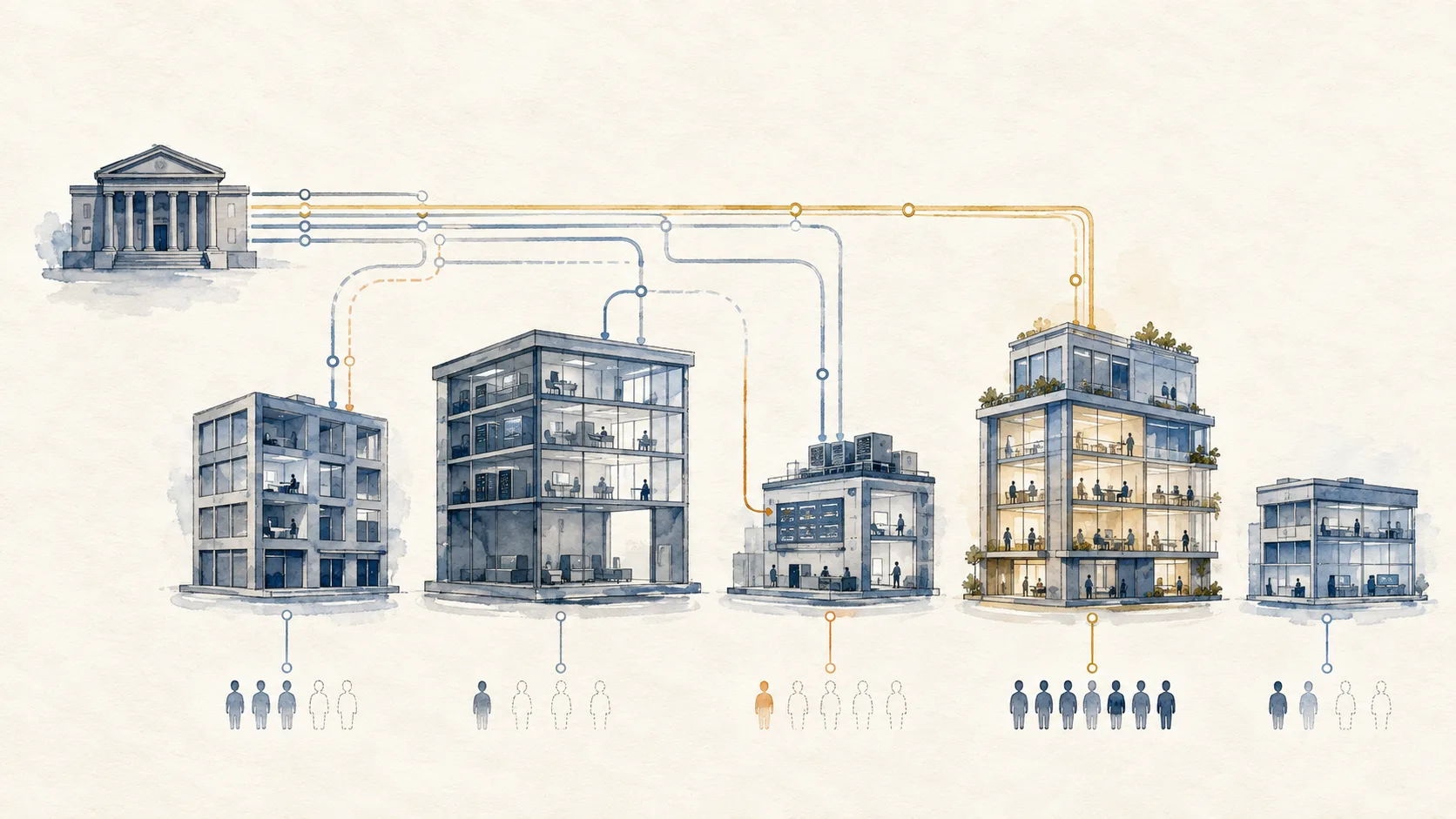
Why are licensing and compliance becoming survival requirements?
The current wave of Web3 closures combines a market correction with compliance risks that have built up over time.
Those risks begin accumulating when a project launches. Growth and liquidity can hide them during a bull market. A downturn makes them much harder to ignore.
The most obvious example is the absence of AML and KYC controls. For BitMEX, the consequences included criminal proceedings and a further $100 million penalty.
Securities law is another common blind spot. Many DeFi and NFT projects designed their token economics without considering whether securities laws might apply. Once regulators begin reviewing the model, the legal basis of the business can quickly come into question.
Consumer protection creates a third risk. After Nifty Gateway closed, users lost a market for their NFTs. In Web3 gaming, promises of permanent asset ownership mean little when the servers supporting those assets are switched off.
Depending on their structure and activities, DeFi, NFT and Web3 gaming projects may fall within virtual asset service provider or crypto-asset service provider rules under frameworks such as MiCA, as well as AML obligations administered by authorities such as FinCEN. A project does not avoid those obligations simply because its team failed to identify them.
Projects that expect to survive need to build compliance into the business model rather than add it only after regulators intervene.
The split in today’s market is already visible:
- Licensed centralized exchanges such as Binance, Coinbase Derivatives, Kraken and OKX maintain combinations of complementary licenses across several jurisdictions. They have generally shown greater resilience during the downturn than unlicensed competitors.
- Decentralized protocols such as Hyperliquid, dYdX and GMX execute through on-chain smart contracts. Their regulatory path is different, but regulators are still assessing how existing rules apply to them.
- Offshore platforms caught between those two models often have neither a regulatory advantage nor a differentiated product. They are increasingly being pushed out of the market.
BitMEX is the latest and clearest example.
A license, however, is only one way into a regulated market. It is not the end of the compliance process. Its value depends on whether the business can continue operating within the conditions attached to it.
A licensed business that does not invest in substantive compliance, or treats compliance as a paperwork exercise, may be just as vulnerable in the next market shakeout.

What does this mean for Web3?
The 2026 shutdown lists cover more than 70 projects and $8.9 billion in disclosed funding. They make one point clear:
In a bull market, weak compliance may look like a technical flaw. In a bear market, it can determine whether a business survives.
BitMEX spent a decade creating and popularizing perpetual swaps, then six years falling from the center of the market toward closure. Its history shows how far the industry has moved from unrestricted growth toward licensed and regulated operations.
If you are reviewing your compliance path or have questions about licensing and legal structuring, you can contact CryptoLicense directly. You can also follow the CryptoLicense blog for more regulatory and licensing analysis.