
Applying for an El Salvador Crypto License: 10 Common Misconceptions
Last month at TOKEN2049, far more visitors than we expected came to speak with us about crypto licensing in El Salvador.
After those conversations, it became clear that many companies are considering El Salvador as one of their options, weighing factors such as business scope, cost and the application timeline.
In earlier articles, we explored El Salvador's licensing framework and the compliance considerations for real-world asset (RWA) tokenization.
For background, see:
Why El Salvador Has Become a Regulatory Hub for Tether and Binance
What Makes a Tokenized Stock a Real RWA? El Salvador’s Issuer and DASP Framework
Drawing on recent client inquiries, this article takes the discussion a step further: if you are assessing an application, what should you understand before you begin?
We recommend starting with your business model, staffing and budget. The following ten misconceptions can affect which route you choose, when you submit and how much funding you need to set aside.
1. Let the Business Determine the Application Route
Misconception 1: Choosing either BSP or DASP is enough.
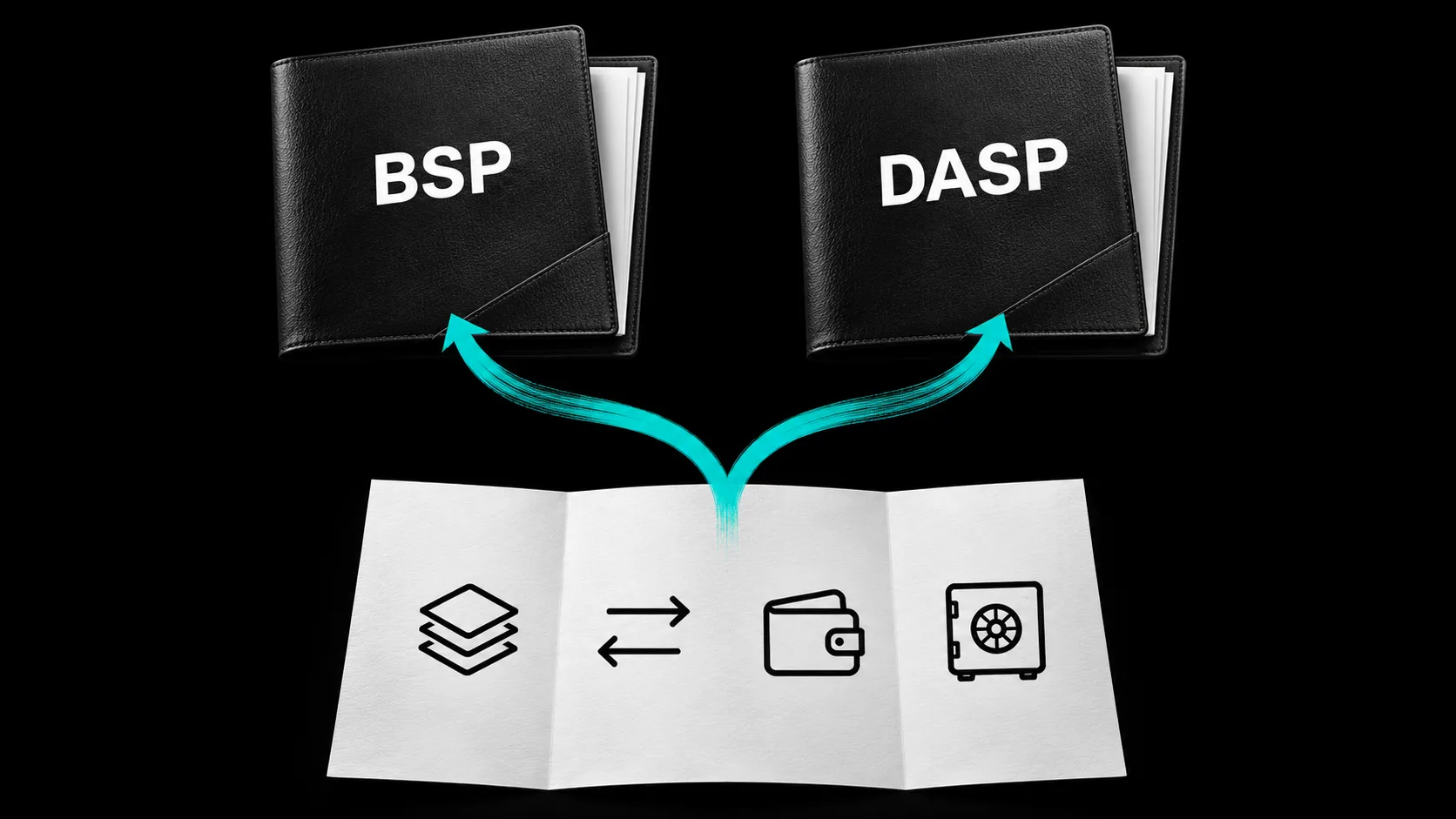
The Bitcoin Service Provider (BSP) framework covers Bitcoin services, while the Digital Asset Service Provider (DASP) framework covers services involving digital assets other than Bitcoin. A platform supporting BTC, ETH and USDT will generally need to assess both routes.
The scope of the application also depends on the functions offered. Providing customer wallets alongside exchange services, for example, may involve transfer or custody activities.
Misconception 2: DASP registration also authorizes RWA issuance.
Operating a trading or custody platform and issuing tokens are different roles. An RWA project must separately assess the issuing entity, the public or private offering route, and which parties will handle distribution, trading and custody.
Misconception 3: Local registration is a passport to global markets.
The customer's location, the services provided and the way those services are marketed each require separate assessment. Registration in El Salvador does not automatically replace the regulatory requirements of the target market. Those markets should be considered before applying.
2. From Preparation to Submission
Misconception 4: You can submit while the platform is still being developed to secure a place in the process.
Platform readiness is assessed in the first stage of the DASP application. If the system has not been developed or is still under development, the application may be terminated. Applicants should first have a system and technical documentation ready for review. Having a functioning system does not, however, mean that customer-facing operations can begin before approval.
Misconception 5: An adviser can fill the role of internal compliance staff.
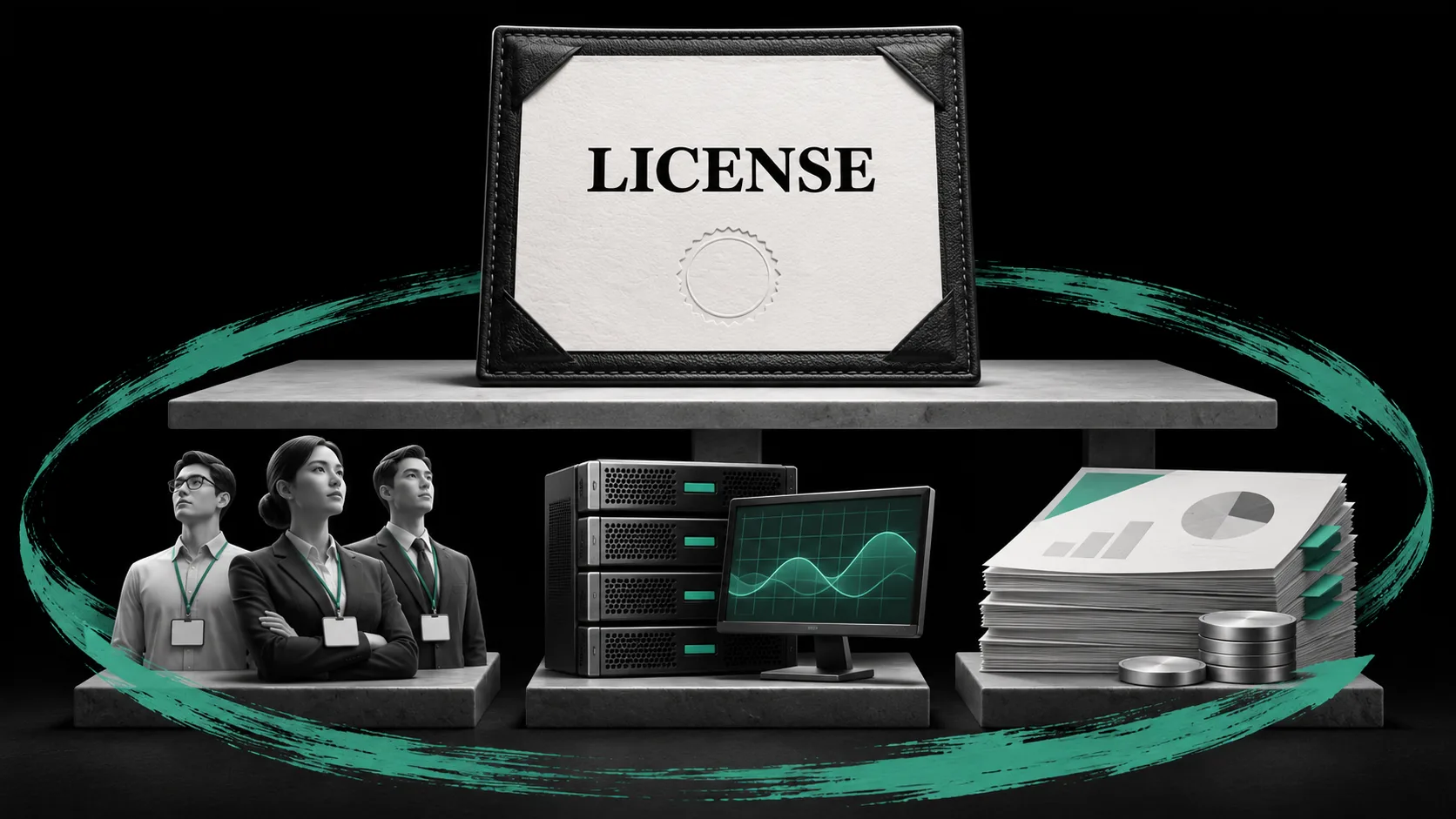
Advisers can help prepare policies and application documents. Under the application guidelines, however, the compliance officer must be directly employed and reside locally. Applicants must also submit appointment documents, CVs and employment contracts for the principal and alternate compliance officers. External support and internal positions serve different functions.
3. Estimating Time and Cost
Misconception 6: The regulatory review period determines your launch date.
The 20-working-day period in the rules applies to a specified review stage. Company formation, system preparation, recruitment and responses to requests for additional information all take time. In our practical experience, the overall process generally takes four to six months, depending on how well prepared the project is.
Misconception 7: Government fees represent the total investment.
Company formation, local staff, systems, audits and annual maintenance can all generate costs. When comparing adviser quotations, establish what is included in one-off, annual and third-party fees. Otherwise, two headline prices may cover entirely different scopes of work.
Misconception 8: No uniform minimum capital requirement means no funding is needed.
There is no uniform, quantified minimum capital or security deposit requirement for DASP registration. Providers must nevertheless maintain sufficient resources to meet customer withdrawal and settlement obligations. Salaries, system maintenance and day-to-day operations also require funding.
Misconception 9: Tax incentives exempt all company income.
The relevant incentives apply to specified digital asset activities and must be assessed against the nature of the business and its income. Income from other services, as well as the tax obligations of overseas shareholders or investors in other countries, requires separate consideration.
4. Plan for Operations After Approval
Misconception 10: Approval gives you unrestricted scope to change the business.
Adding custody of customer assets to an exchange business may exceed the registered scope. Material changes to wallet architecture or custody permissions may also require a formal change process. Beyond customer identification, ongoing obligations include transaction monitoring, analysis of unusual activity, reporting and recordkeeping.
These operating requirements should therefore form part of the plan before you apply. The ability to meet them on an ongoing basis also affects whether this regulatory route is suitable for your business.
If you are assessing El Salvador, start with a one-page business overview: the assets you support, the services you provide, where your customers are located, whether you plan to issue tokens, and your existing entity, systems and timeline.
Bring that information to a conversation with us, and we can assess the application route, preparation requirements and budget more efficiently.
Assessing an application in El Salvador?
Talk to CryptoLicense about your business scope, target markets and preparation requirements.
Contact us